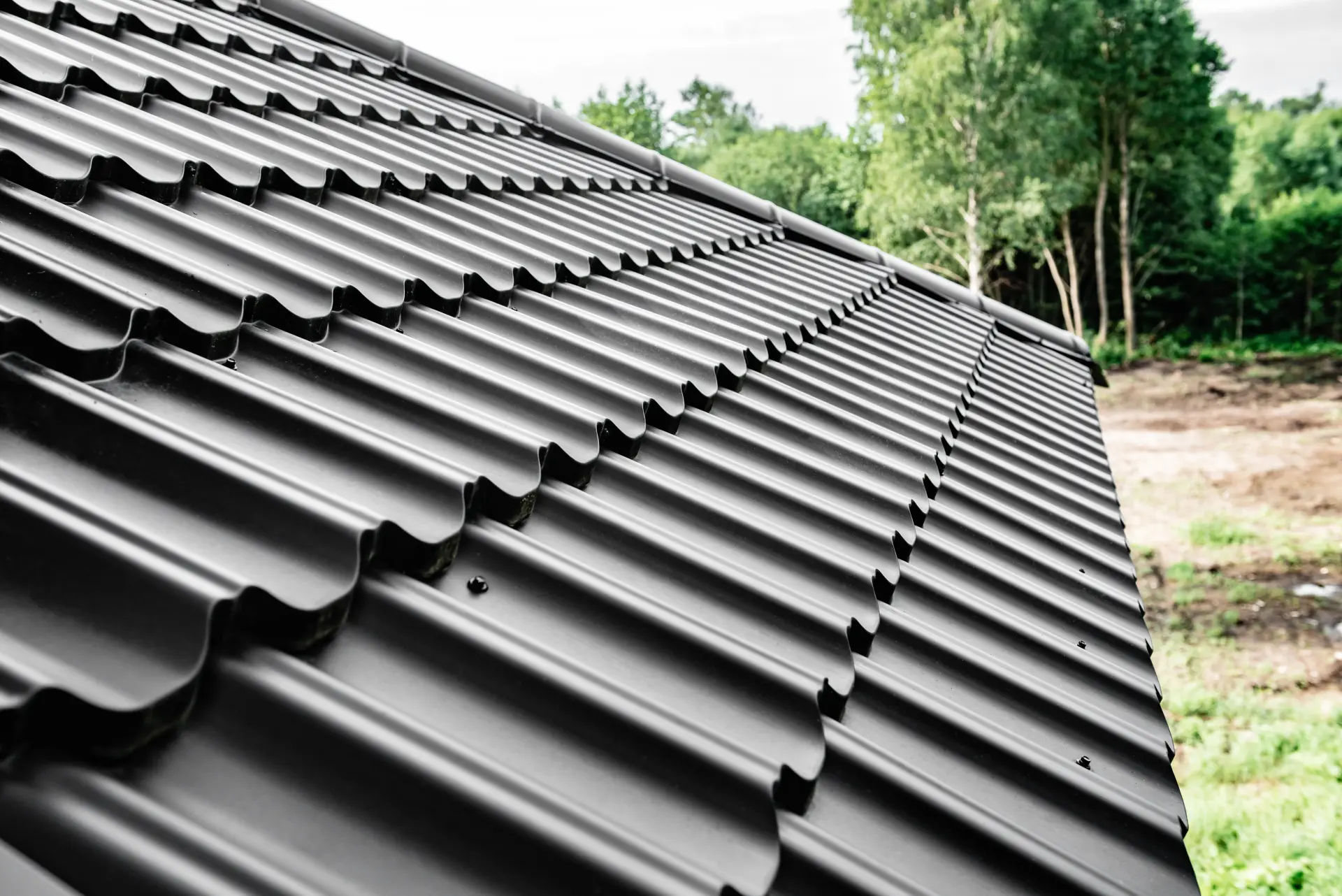
A metal roof is a popular choice for commercial buildings because it is strong, long lasting, and able to protect a building for decades. Many business owners choose a metal roof because it offers durability, good weather resistance, and low maintenance when compared with several other roofing materials. The exact time a metal roof lasts depends on the metal type, the roofing system design, the installation quality, the local climate, and how well the roof is looked after.
If you are wondering how long does a metal roof last on a commercial building, the answer is generally between 40 and 70 years. In some cases, metal roofs can last even longer when they are installed correctly and maintained properly. A high quality metal roofing system can be a good investment for commercial buildings because it can reduce the need for early replacement, significant repairs, and high replacement costs.
The metal roof lifespan is not the same for every building. Several factors influence the roof’s lifespan, including weather conditions, material quality, roof design, ventilation, maintenance, and the quality of professional installation. Understanding these factors helps you choose the best option for your commercial roof and plan for long term performance.
Average Lifespan of a Commercial Metal Roof
In the UK, a commercial metal roof often lasts around 50 to 70 years. Some high quality metal roofing systems can last even longer when fitted well and cared for over time. The average lifespan may be shorter if the roof is exposed to harsh weather conditions, if water sits on the surface, or if small problems are ignored until they lead to widespread damage.
The main roofing materials used for metal roofing include steel, aluminium, zinc, and copper. Coated or galvanised steel is common on commercial roofs because it offers a good balance of cost, strength, and durability. Steel roofs often last around 40 to 50 years, while aluminium, zinc, and copper can often reach 60 to 70 years because they are more resistant to corrosion.
A metal roof lasts longer when the roof is part of a well planned commercial roofing system. The panels, coating, screws, seams, gutters, and drainage all play a significant role in the roof’s life. When these parts work together, the roof can protect the building for decades. When one part fails, the roof’s lifespan can shorten.
The question of how long does a metal roof last should also be compared with other types of commercial roofing. Asphalt shingles may last around 20 to 30 years, depending on quality and maintenance. A shingle roof is usually cheaper upfront, but it will often need replacement sooner. Built up roofing, modified bitumen, a TPO roof, PVC, and EPDM systems can all be suited to different commercial roofing applications, especially flat roofs and low slope roofs, but they do not always match the long lifespan of a well maintained metal roof.
Types of Metal and How They Affect Roof Life
The type of metal you choose has a big effect on roof life. Galvanised steel is strong and suited to many commercial buildings, agricultural buildings, and manufacturing sites, but it needs good protective coatings and regular maintenance to reduce rust and corrosion. If steel becomes scratched and the coating breaks down, exposed areas can develop rust over time.
Aluminium is often used near the coast because it handles salty air better than many other materials. This makes aluminium a good choice for buildings located in areas where moisture, rain, and salt exposure are common. Aluminium is also light, which can help where the existing roof structure has limits on weight.
Zinc and copper are premium metals known for longevity. They can develop a natural surface layer that helps protect the metal from the environment. Copper can cost more upfront, but it can be worth considering where long term durability and appearance matter. Zinc is also a durable option and can perform well for many years with proper care.
Different materials affect the roof’s lifespan in different ways. The best material for one building may not be the best option for another. A roofing contractor can help you compare the cost, durability, maintenance needs, and expected life expectancy of each metal type.
Common Types of Metal Roofing Systems
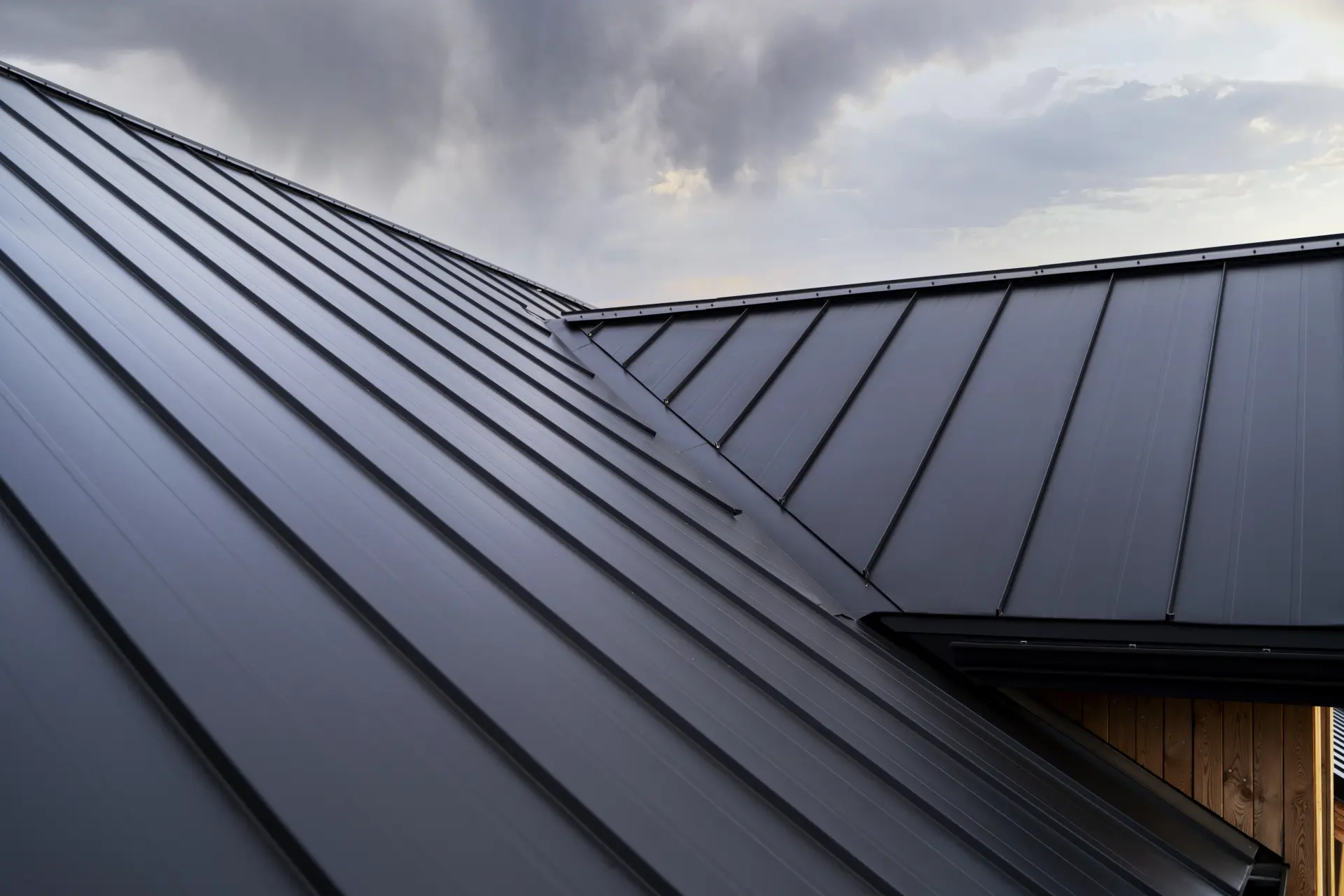
There are different types of metal roofing systems used on commercial buildings. Standing seam roofs are one of the most popular choices for long lasting performance. A standing seam metal roof uses raised seams that help move water away from the roof surface. Because the fasteners are usually hidden, standing seam systems can reduce the risk of water entering around exposed fasteners.
An exposed fastener panel system is another common option. This type of metal roof can be more economical, but the screws, washers, and fasteners are exposed to the weather. Over time, loose fasteners, cracked washers, and worn sealants can lead to leaks. This does not mean an exposed fastener roof is a poor choice, but it does mean maintenance is especially important.
A standing seam roof generally has a longer service life than many exposed fastener systems because there are fewer exposed points where water can enter. However, the final result depends on installation quality, the materials chosen, and whether the roof is maintained. A panel system that is installed correctly and checked frequently can still provide good protection for many years.
The roof slope also matters. Low slope roofs need careful design because water moves away more slowly. Flat roofs and low slope roofs are more prone to moisture build-up if drainage is poor. In these cases, the roofing system must be designed to prevent water damage and protect the roof from corrosion, leaks, and other damage.
Why Installation Quality Matters
Even the most durable roofing material can fail early if installation is poor. When a commercial metal roof is installed, the panels, flashings, seams, screws, sealants, and gutters all need to work together. If the roof is not installed correctly, small gaps can form and allow water to enter the building. Over time, this can lead to roof leaks, damaged insulation, mould, water stains, and costly repair work.
Professional installation is critical because metal roofing expands and contracts as temperatures change. If panels are fixed too tightly, placed incorrectly, or cut badly, movement can damage seams and fasteners. This can shorten the roof’s life and lead to leaks. Proper installation helps the metal roof handle heat, cold, rain, wind, and sun exposure without breaking down too soon.
Experienced contractors will follow the manufacturer’s guidance, use the right fasteners, and check that all roof details are completed properly. This includes edges, corners, penetrations, gutters, vents, and areas around solar panels if they are fitted. Good installation reduces the risk of early failure and helps the metal roof last longer.
If you plan to re roof an existing roof, the contractor should inspect the current structure before recommending a new roof. The existing roof may have hidden water damage, poor ventilation, or weak areas that need to be fixed before the new metal roof is installed. Skipping this step can affect the new roof and reduce its useful life.
Roof Design, Drainage, and Gutters
Roof design is one of the key factors affecting how long a metal roof lasts. Water should move off the roof quickly and safely. If water sits on the roof, moisture can break down protective coatings, cause rust, and weaken seams. This is especially important on commercial buildings with complex roof shapes, long runs of panels, or low slope areas.
Gutters, outlets, and downpipes also have a big influence on the roof’s lifespan. If gutters are blocked with leaves, moss growth, branches, or other debris, water can overflow and run back onto the roof or into the building. This can lead to leaks, rot in nearby materials, damaged walls, and other water damage.
Cleaning gutters should be part of a maintenance plan. Ideally, the roof and gutters should be checked in spring and after autumn leaf fall. If the building is near trees, more frequent checks may be needed. Removing debris helps prevent water damage and keeps the roofing system in good condition.
Ventilation can also affect the roof. Poor ventilation may allow moisture build-up beneath the roof, which can damage insulation, lead to mould, and increase the risk of corrosion on the underside of metal panels. Good ventilation helps protect the roof and the building beneath it.
Weather Conditions and Exposure Over Time
Metal roofs are known for durability, but weather conditions still affect how long they last. Heavy rainfall, high winds, hail, snow, frost, heat, and UV rays can all add stress to the roof over the years. Wind can lift panels or loosen fasteners if the roof is not designed and installed to handle local wind levels.
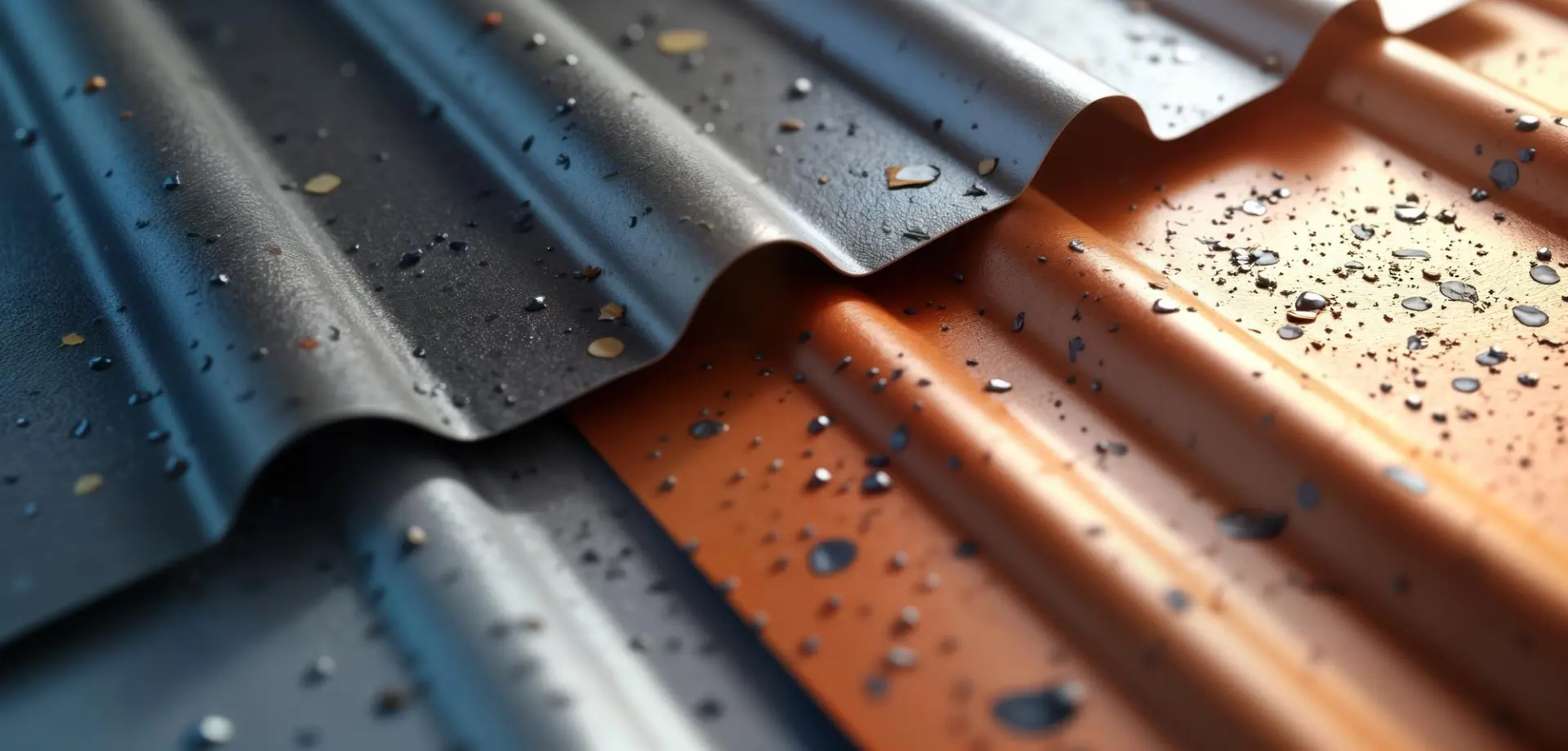
Hail can cause dents, especially on softer metals or thinner panels. Dents may not always cause leaks, but they can affect appearance and may damage the paint or coating. If the coating is scratched, the metal beneath may be exposed, which can lead to rust or corrosion.
The local environment also matters. Coastal air can speed up corrosion because of salt. Industrial areas can cause faster wear due to pollution and acidic rain. Buildings near trees may collect more moss growth, leaves, branches, and other debris. These conditions do not mean a metal roof is the wrong choice, but they do mean proper maintenance and regular inspections are essential.
Weather exposure can shorten a roof’s lifespan if warning signs are ignored. After storms, it is sensible to check for missing screws, loose panels, damaged seams, cracked sealants, and blocked gutters. A small repair completed early can stop a larger problem developing.
Corrosion, Rust, and Common Causes of Damage
Rust and corrosion are among the biggest issues for commercial metal roofs, especially on steel. Corrosion often starts where the metal is scratched, where fasteners fail, or where water sits for too long. It can also happen around seams, roof edges, vents, skylights, gutters, and areas where different materials touch.
Scratched paint or damaged coating should be repaired quickly. A coating protects the metal from moisture and oxygen. Once the coating is broken, rust can develop. If rust is left untreated, it can spread and weaken the roof panels.
Damage can also come from foot traffic. If people walk on the roof during checks, cleaning, or repair work, the surface can be dented or scratched. Anyone who needs to access the roof should do so safely and follow the correct walking paths. This reduces the risk of dents, cracks in coatings, and other damage.
Loose debris can also cause problems. Branches, leaves, grit, and dirt can hold water against the roof surface. Moss growth can also trap moisture. This is why cleaning and inspections are important. Keeping the roof clear helps extend its life and protect the building.
Regular Maintenance and Regular Inspections
Regular maintenance is one of the most reliable ways to extend the life of a metal roof. A simple maintenance plan helps you find issues early before they lead to bigger repairs or early replacement. Regular inspections are also important after storms, especially if there has been strong wind, heavy rain, hail, or falling branches.
Inspections should check the condition of the panels, seams, flashings, screws, fasteners, gutters, sealants, coatings, and areas around roof openings. They should also check for rust, corrosion, leaks, water stains, loose fasteners, cracked paint, fading, dents, and signs of movement.
Proper maintenance helps the roof stay in good condition. It also helps protect the warranty, as some warranties may require routine upkeep. If the roof is not maintained, the manufacturer or contractor may not cover certain problems.
Low maintenance does not mean no maintenance. Metal roofs are generally easier to look after than many other roofing materials, but they still need care. Regular maintenance, cleaning, and timely repair work can help a metal roof last longer and reduce the cost of future problems.
Repairs, Replacement, and When Parts Need to Be Replaced
A commercial roof does not always need full replacement when a problem appears. Many issues can be fixed with repairs, replacement of damaged panels, resealing around weak areas, or replacing worn fasteners. A fast response is important because leaks can lead to insulation damage, water damage, and disruption to the business.
Some parts may need to be replaced sooner than the main roof surface. Fasteners, washers, sealants, and flashings can wear out over time. If these are ignored, they can lead to recurring leaks even when the metal panels are still in good condition.
Warning signs that the roof may need attention include rust, leaks, water stains, loose panels, missing screws, cracked sealants, fading paint, damaged coating, dents, and areas where water is pooling. If these issues are widespread, a larger repair or replacement may be needed.
A roofing contractor can advise whether repair, partial replacement, or a full new roof is the right choice. The decision depends on the age of the roof, the scale of the damage, the cost of repair, the condition of the materials, and the expected remaining lifespan.
Metal Roofs Compared With Other Roofing Materials
When asking how long does a metal roof last, it helps to compare metal with other roofing materials. Asphalt shingles are common on homes, but they are less common for large commercial buildings. Asphalt shingles are often cheaper upfront, but they may need replacing sooner than a metal roof. A shingle roof can be a good option in some cases, but it will usually not offer the same long lifespan as metal.
Built up roofing, also called BUR, consists of several layers of bitumen and other materials. It is often used on flat roofs. Modified bitumen is another option for commercial buildings and can provide good waterproofing when installed properly. A TPO roof, PVC system, or EPDM roof may also be used on low slope roofs. These synthetic materials can be economical and useful, but their life expectancy is often shorter than a high quality metal roof.
Metal roofing may cost more upfront, but it can save money in the long run because it can last longer and need fewer major replacements. The initial cost should be weighed against the roof’s lifespan, maintenance cost, energy efficiency, and replacement costs.
Different types of roofing systems suit different buildings. A warehouse, office, retail unit, agricultural building, or manufacturing site may each need a different roof design. Choosing the right roofing materials from the start can reduce risk and improve long term performance.
Energy Efficiency and Other Long Term Benefits
A metal roof can support energy efficiency when it is designed well. Metal reflects heat, especially when it has a light coloured or reflective coating. This can reduce cooling costs in hot weather and help make the building more comfortable. In some commercial buildings, reducing cooling costs can be an important benefit.
Good insulation beneath the metal roof also helps improve energy efficiency. It can reduce heat loss in cold weather and help control noise from rain or hail. Some people worry that metal roofs are noisy, but sound can be reduced with proper insulation, underlay, and careful installation.
Metal roofs also offer strong fire resistance compared with many other materials. This can be important for commercial buildings, agricultural buildings, and manufacturing sites where safety is a key concern. Metal will not rot, and it is not prone to cracking in the same way as some other materials.
Solar panels can also be fitted to many metal roofing systems, especially standing seam roofs. In some cases, solar panels can be attached without drilling through the roof surface. This helps protect the roofing system and supports long term energy savings.
Costs, Value, and Planning for the Future
The cost of a metal roof depends on the metal type, roof size, roof design, panel system, installation, access, insulation, coating, and any repair work needed before installation. Steel is often more economical than copper or zinc, while aluminium may be chosen for coastal areas because of its resistance to corrosion.
The upfront cost can be higher than asphalt shingles, a shingle roof, or some synthetic materials. However, metal roofing can be a strong long term investment because the roof can last for decades. A metal roof may cost more upfront, but it can offset that cost by reducing replacement frequency and helping to avoid major repair bills.
Budget planning should include regular inspections, cleaning, maintenance, and small repairs. This helps reduce surprise costs and keeps the roof in good condition. A clear maintenance plan also makes it easier to schedule work around business needs.
When planning a commercial roof, it is useful to think about the full life of the roof rather than just the first installation price. A cheaper roof may look attractive today, but it may need replacement sooner. A durable metal roof can be a better choice when long lasting protection is the main goal.
Choosing the Right Roofing Contractor
The team you choose matters as much as the materials. A reliable roofing contractor should be able to explain the best metal roof for your building, how the roofing system will be installed, and what maintenance the roof will require. They should also explain warranties, expected lifespan, repair needs, and the process from survey to completion.
Experienced contractors will understand local weather conditions, common roof issues, and the right materials for different commercial roofing applications. They should inspect the building, check the slope, assess the existing roof, and recommend a system suited to the environment.
Before you hire a contractor, ask questions about previous work on commercial buildings, standing seam roofs, exposed fastener systems, low slope roofs, and any similar projects. You can also ask for advice about protective coatings, fasteners, gutters, and future maintenance.
A good contractor should make the decision easier by giving clear information. They should help you understand the benefits, cost, warranty, maintenance requirements, and expected roof lifespan before you sign a contract.
Frequently asked questions
about Commercial Metal Roofs...
In most cases, a metal roof lasts longer than many common alternatives. Metal roofs can last 40 to 70 years, and some roofs can last longer with proper care, good materials, and professional installation.
They do require regular maintenance, but the upkeep is usually straightforward. Regular inspections, keeping gutters clear, removing debris, checking fasteners, and fixing small problems early can extend the roof’s life.
The answer depends on the building, budget, roof design, climate, and business needs. Metal is a durable choice, but other types of roofing systems such as modified bitumen, EPDM, PVC, TPO, and built up roofing may be suited to some flat roofs or low slope roofs.
In coastal areas, the average lifespan depends heavily on material choice and coating quality. Aluminium, zinc, copper, and well protected steel systems can perform well, but salt exposure means inspections and proper maintenance are especially important.
Yes, a metal roof can reach 70 years in the right conditions. Premium metals, proper installation, regular maintenance, and good drainage all help improve longevity. However, not every metal roof lasts that long, especially if the roof is poorly installed, badly maintained, or exposed to harsh weather conditions.
How Long Does Commercial Metal Roof Last
A well installed metal roof on a commercial building can provide strong protection for 50 years or more, and some systems can last 70 years or longer. The exact lifespan depends on several factors, including metal type, material quality, installation quality, roof design, weather conditions, maintenance, and the standard of repair work over time.
The best results come from choosing the right type of metal, ensuring proper installation, keeping water moving off the roof through good design and gutters, and committing to regular inspections. With proper maintenance and proper care, a commercial metal roof can be one of the most long lasting and durable roofing materials available for commercial buildings.
Our commercial metal roof installations in Camden, Greenwich, Hackney and London are guaranteed to be durable, long-lasting and tailored to your building’s needs. Our experts use high-quality materials and deliver reliable, cost-effective roofs that can protect your business for decades.