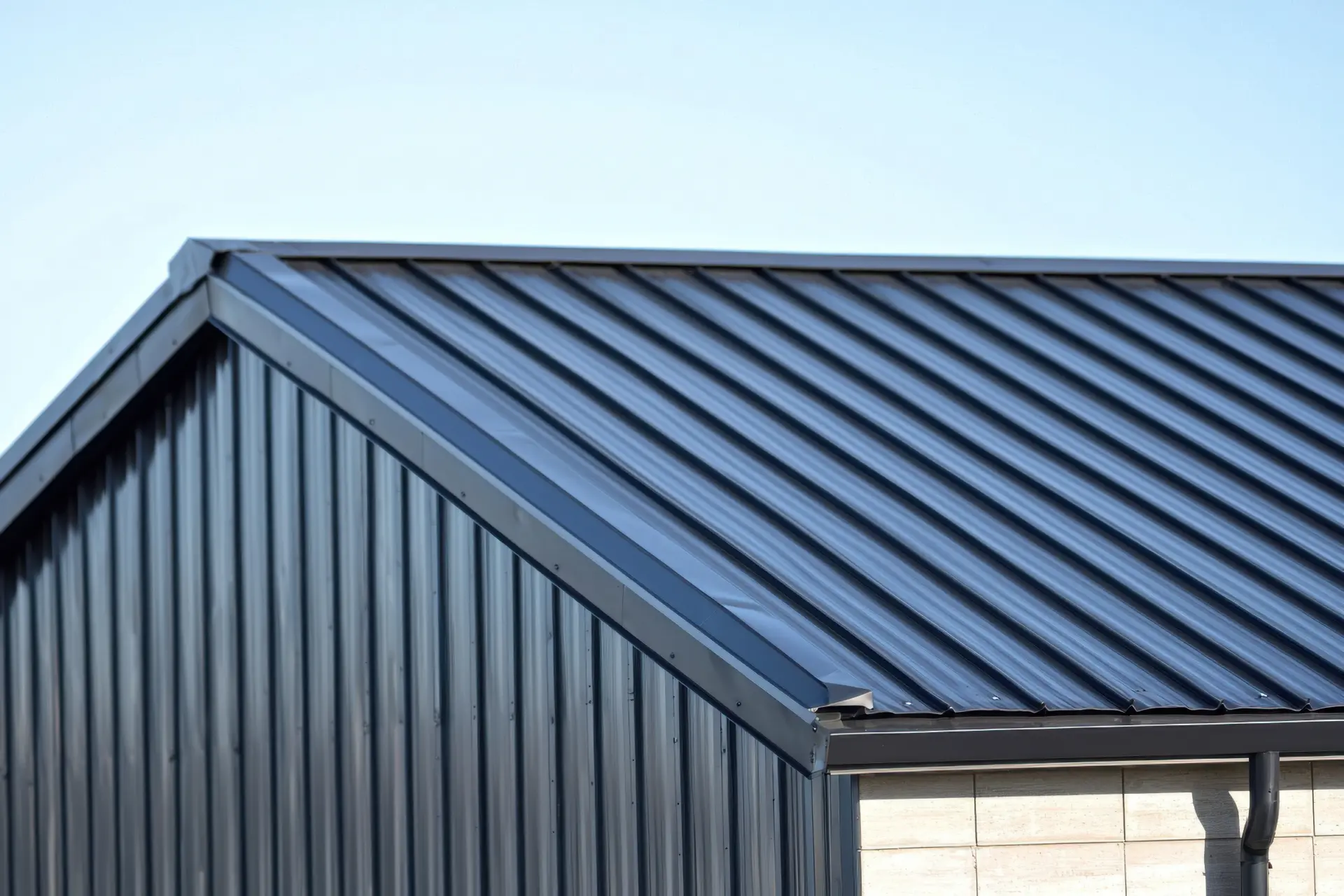
Need advice on the right metal cladding for your property? Our guide covers materials, finishes, and federal regulations to help you choose the best option for your property.
Why Your Choice of Cladding Matters
Metal cladding is not only about looks. It is a protective layer that can help your building stand up to rain, wind, knocks, and everyday wear. The right cladding can also support better comfort indoors, especially when it is fitted with suitable insulation. A poor match can lead to extra noise, faster corrosion, or higher upkeep. Think about how long you want the cladding to last and how much time you want to spend caring for it.
Also consider how it may affect the value and kerb appeal of your property. A well-chosen system should look good, cope with local conditions, and perform well year after year. It is easier and cheaper to get it right at the start than to fix problems after the cladding is installed.
Check Your Property Type and Location
Your property type and location should guide most of your choices. A family home may need a quieter, warmer build-up, while a workshop or farm building may focus more on strength and easy cleaning. Look at the height of the building, the shape of the walls, and how exposed they are. Buildings on open hillsides can take strong wind and driving rain, while sheltered sites may face damp and algae.
If you are near the coast, salt in the air can speed up corrosion, so you may need a more protective coating and better detailing at edges. Also think about nearby trees, traffic, and industry, as these can add dirt and grit that wear down finishes over time.
Set a Clear Budget
A clear budget helps you choose cladding that fits your needs without cutting corners. Start by listing the full costs, not just the panels. You may also need insulation, vapour layers, fixings, trims, flashing, and safe access equipment. Labour can vary depending on wall height, access, and how many openings there are, such as windows and doors.
Cheaper options can be tempting, but they may cost more later if the coating fades, dents easily, or needs frequent cleaning. Aim for the best value over the full life of the cladding, not just the lowest price today. Ask for quotes that break costs down so you can compare like for like.
Choose the Right Metal Type
The metal you choose affects strength, weight, lifespan, and how it will age. Steel is widely used because it is strong and often cost-friendly, but it relies on a good protective layer to prevent rust. Aluminium is lighter and naturally resists corrosion, which can suit damp areas and coastal locations. Zinc can last a long time and forms a protective surface layer as it weathers, giving a softer, natural look.
Copper is usually the most expensive and is often used for feature areas, as it changes colour over time. Think about how easily the metal may dent, how it looks with your roof and windows, and whether you want it to keep the same colour or develop a natural patina.
Pick a Finish and Colour
The finish is more than style. It helps protect the metal from fading, scratching, and corrosion. Some finishes are smooth and modern, while others are matt or textured, which can help hide marks and small dents. Colour choice matters too. Lighter colours can reflect heat and may reduce overheating on sunny walls, while darker colours can show dust and streaks more clearly.
Also consider your surroundings. In some streets, bold colours may stand out in the wrong way, while muted tones can blend in neatly. Ask to see real samples, ideally outdoors, because colour can look different in daylight and shade. Make sure the finish you choose suits your location and the level of upkeep you are happy with.
Think About Weather and Corrosion
Weather is one of the biggest reasons cladding fails early. Wind-driven rain can find weak joints, and repeated wet and dry cycles can stress coatings and seals. In coastal areas, salty air can speed up corrosion, especially around cut edges, fixings, and scratches. In cities and near busy roads, pollution and grit can build up and wear down the surface.
If your site is exposed, choose a system designed for stronger conditions and make sure details like trims, seals, and drainage are planned properly. Good cladding is not only about the panel. The small details, such as how water is directed away and how edges are protected, can make a major difference to lifespan.
Consider Insulation and Noise
Metal cladding is often fitted as part of a wider wall system, and insulation is a big part of that. The right insulation can help keep the building warmer in winter and cooler in summer. This can improve comfort and may reduce energy bills. Noise is also worth thinking about. Rain on metal can sound loud, and thin panels can pass on outside noise from traffic.
A suitable insulation layer and the right backing materials can reduce both issues. The way the cladding is fixed can also affect sound, so it is worth discussing options with your installer. If the building is a home, office, or used for sleeping, make noise control a priority, not an afterthought.
Fire Safety and Building Rules
Fire safety and building rules should be checked before you choose a cladding system. This is not only about the metal panels. Insulation, membranes, and any cavity space behind the cladding can affect how fire may spread. Some building types, such as flats, public buildings, and taller sites, may have stricter requirements.
Even for smaller projects, you should make sure the full system is suitable and properly rated for the building. Ask your installer what standards the system meets and what paperwork you will receive. If you need Building Control approval, involve them early so you do not have to change materials later. A safe, compliant system protects lives, and it also protects you from costly fixes and delays.
Maintenance Needs Over Time
Metal cladding is often chosen because it can be low maintenance, but it is never zero maintenance. Over time, dirt can build up, fixings can loosen, and coatings can get scratched. These small issues can turn into bigger problems if they are left. Think about how you will access the cladding for checks and cleaning, especially on taller walls.
Some finishes cope better with grime and are easier to wash down. In areas with trees or heavy traffic, you may need to clean more often to stop staining. It is also wise to check seals, joints, and trims after storms. When you compare options, ask what the usual care plan looks like over five, ten, and twenty years.
Planning Permission and Local Restrictions
Before you order materials, check whether you need planning permission. Changes to the outside of a building can be restricted in conservation areas, on listed buildings, and sometimes even in newer estates with design rules. Your local council may have guidance on colours, finishes, and how cladding should look from the street.
If permission is needed, you may have to provide drawings and product details, which can take time. Even if permission is not required, it is still smart to think about neighbours and local style, especially on street-facing walls. Getting advice early can stop delays and wasted costs. A trusted installer may also be able to suggest options that are more likely to suit local requirements.
Choose a Trusted Installer
The installer you choose can matter as much as the cladding itself. Good materials can still fail if they are fitted with poor alignment, weak fixings, or bad sealing around edges and openings. Look for an installer with clear experience in metal cladding, not just general building work. Ask to see photos of past jobs and check reviews that mention reliability and aftercare.
A professional installer should offer a detailed written quote, explain the full wall build-up, and talk through how they will handle ventilation, drainage, and tricky areas like corners. They should also explain timescales, site safety, and what is included in the price. Choosing carefully helps you get a clean finish that lasts and performs as it should.
Contact our metal cladding installers for residential, commercial, and industrial buildings in Camden, Greenwich, Hackney and London. Our services include new installations, over-cladding, repairs, and bespoke systems using high-quality aluminium, steel, and composite materials.