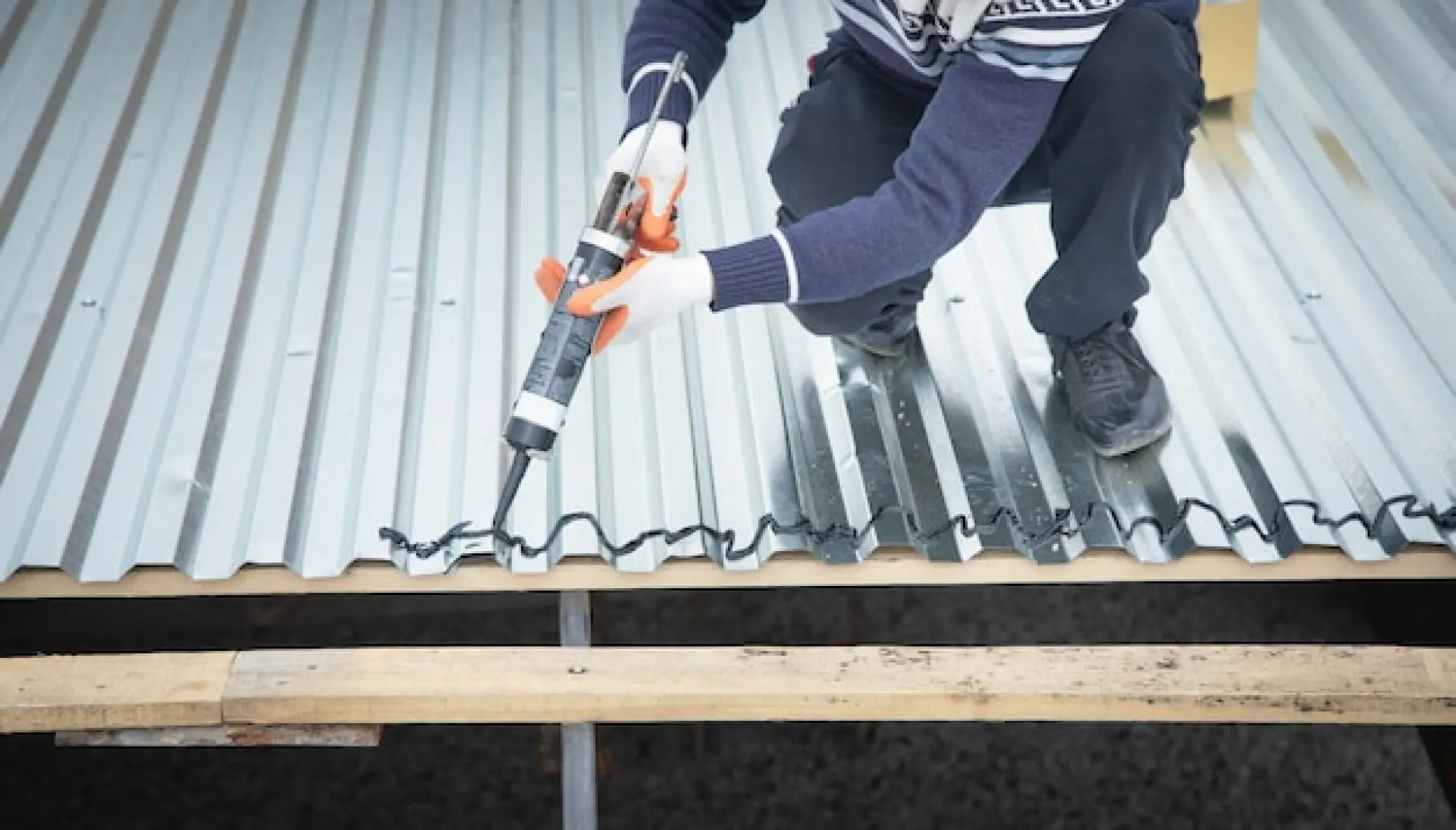
Is metal roofing right for your house? Discover the main benefits and expert advice to decide if metal roofing suits your home and boosts durability.
Common Types of Metal Roofs for Homes
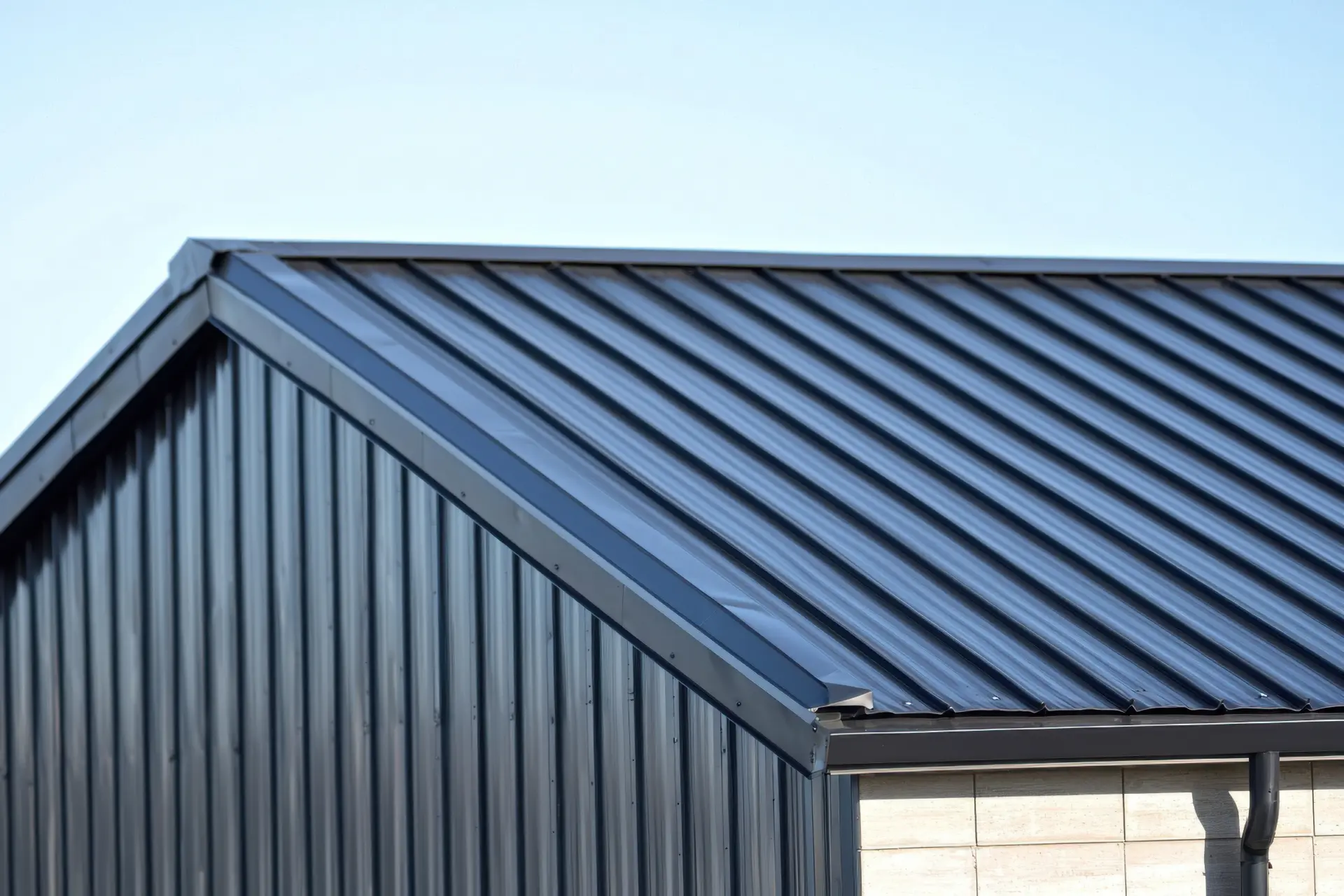
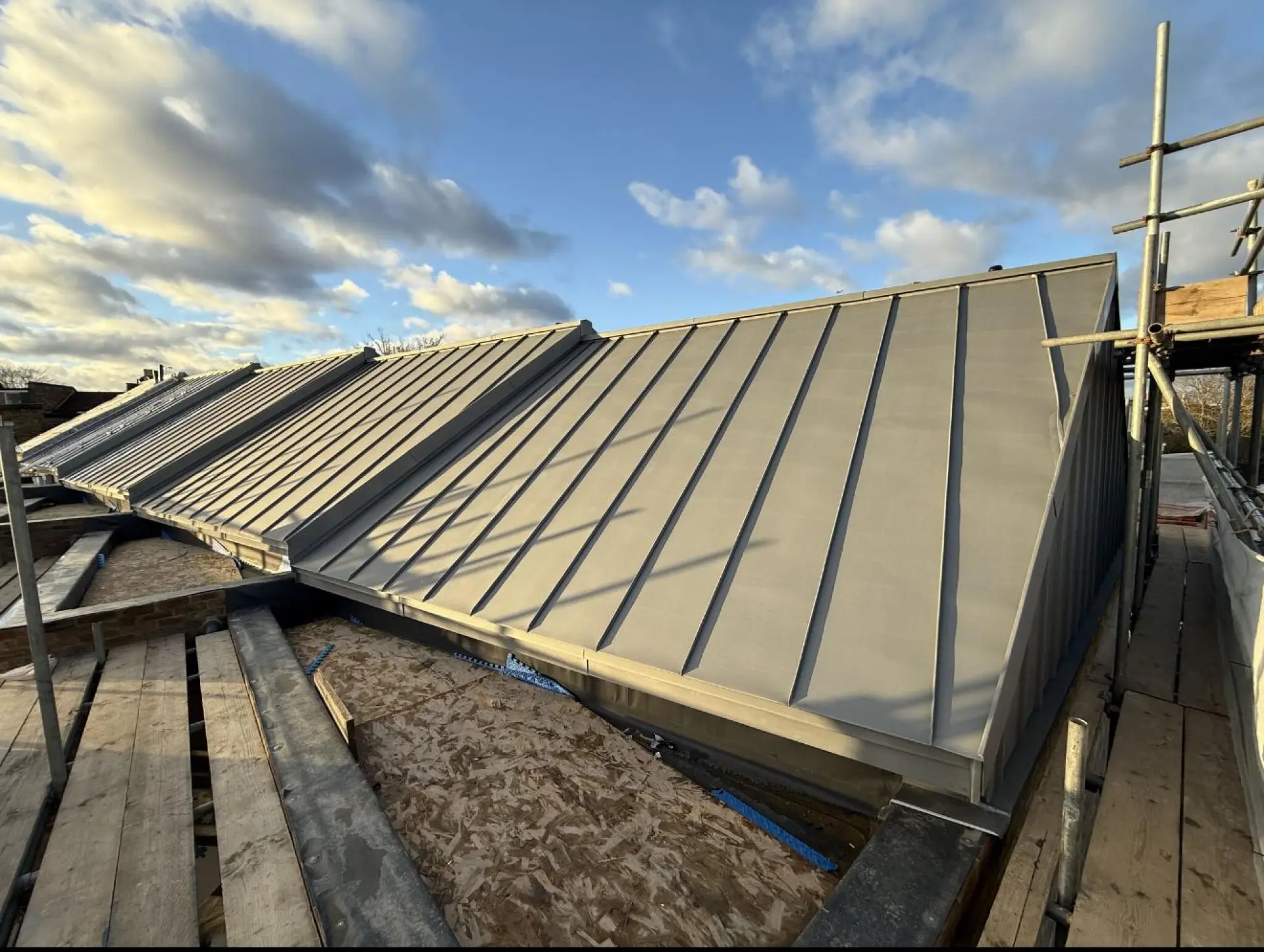
Standing seam metal roofing is one of the most common choices for homes. It has long panels that run from the top of the roof to the bottom, with raised seams where panels join. These seams help keep water out and give the roof a clean, modern look that works well on simple roof shapes.
Metal shingles are designed to look like more traditional roofing, such as slate, wood shakes, or standard tiles. They are smaller pieces that overlap, so they can suit houses where the roof has more detail or a classic style. Many people choose metal shingles because they want the long life of metal without changing the look of their home too much.
Corrugated metal roofing has a wavy or ridged pattern that adds strength. It is often seen on barns and outbuildings, but it is also used on homes, especially in rural areas or for a more rustic style. Corrugated panels can be a cost-friendly option, but the finish and installation quality matter a lot for long-term performance.
There are also metal roof systems that use stone-coated steel. These panels or shingles have a metal base with a textured coating that gives a more natural, gritty look. This can help the roof blend in with older neighbourhoods and may reduce glare compared with smoother metal finishes.
The metal itself can vary as well. Steel is widely used because it is strong and often more affordable, and it is usually coated to protect it from rust. Aluminium is lighter and resists corrosion well, which can be helpful near the coast. Other options exist, but these are the ones most homeowners will come across when comparing choices.
Main Benefits of Metal Roofing
A big reason people across the country tend to choose metal roofing is its durability. Metal roofs can handle strong winds, heavy rain, and many other weather conditions without cracking or breaking the way some materials can. This strength can bring peace of mind, especially if you live in an area where storms are common.
Metal roofing is also known for being lightweight compared with materials like slate or concrete tiles. This can reduce stress on the structure of the house and may help if you are replacing a roof and want to avoid extra building work. In many cases, a lighter roof can make planning and installation simpler.
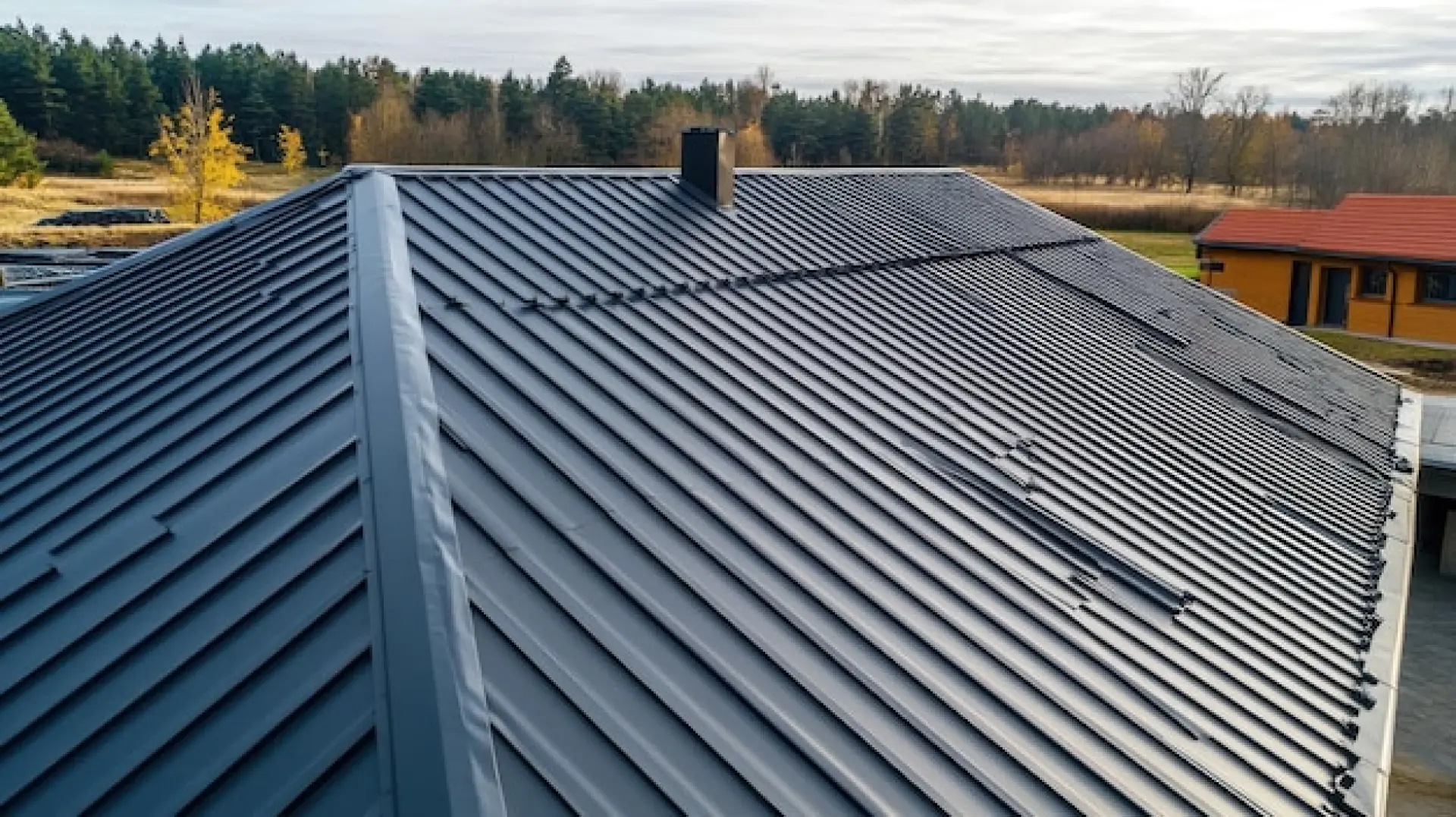
Another major benefit is its energy performance, especially when you choose a finish designed to reflect the heat. In the warmer months, a reflective metal roof can help reduce how much heat gets into the loft space. That may make rooms feel more comfortable and can ease the workload on cooling systems, when used.
Metal roofs can be a good choice if you’re looking for some level of fire resistance. Metal itself does not ignite, and this can be reassuring in areas where there is a higher risk of external fires. While no roof can stop every risk, the material choice can play a part in overall safety.
Metal roofing also offers a number of styles. Some options look quite sleek and modern, whereas others copy the shapes and textures of more traditional roofs. This variety you have at your disposal means you can usually find a metal roof that matches your home’s character, instead of having to change it.
Possible Downsides to Consider
The first drawback many homeowners are bound to notice is the cost. Metal roofing can be more expensive upfront than some other materials, especially if you choose premium finishes or more complex systems. Even if it saves money over time, you still need to be comfortable with the initial price.
Noise is another concern people often ask about. During heavy rain or hail, sound can be louder on a metal roof than on some other roof types. Good insulation and proper installation can reduce this a lot, but it is still worth thinking about if you are sensitive to noise.
Some metal roofs can dent if hit hard enough. Hail, falling branches, or careless foot traffic can leave marks, depending on the type and thickness of the metal. Dents may be only cosmetic, but they can be frustrating if you want a roof that looks perfect.
Metal expands and contracts as temperatures change. This is normal, but it means the roof needs the right fixings and design to move safely over time. If a roof is fitted poorly, movement can lead to loose panels, extra noise, or faster wear in certain spots.
Also, the look is not for everyone. Even with the many style choices available, some people prefer the feel of clay tiles, slate, or other traditional materials. If the roof is a big part of your home’s appearance, it is worth viewing real examples, not just photos, before you decide.
How Long a Metal Roof Can Last
A well-made, well-installed metal roof can last you decades. Many homeowners choose metal because they do not want to replace their roof again soon. The exact lifespan depends on the material, the coating, the local weather, and how well it is looked after.
Coatings and finishes play a major role in how long the roof stays in good condition. Protective layers help prevent rust, fading, and surface wear. If you live in a harsh environment, such as near the sea where salt is in the air, choosing the right material and finish becomes even more important.
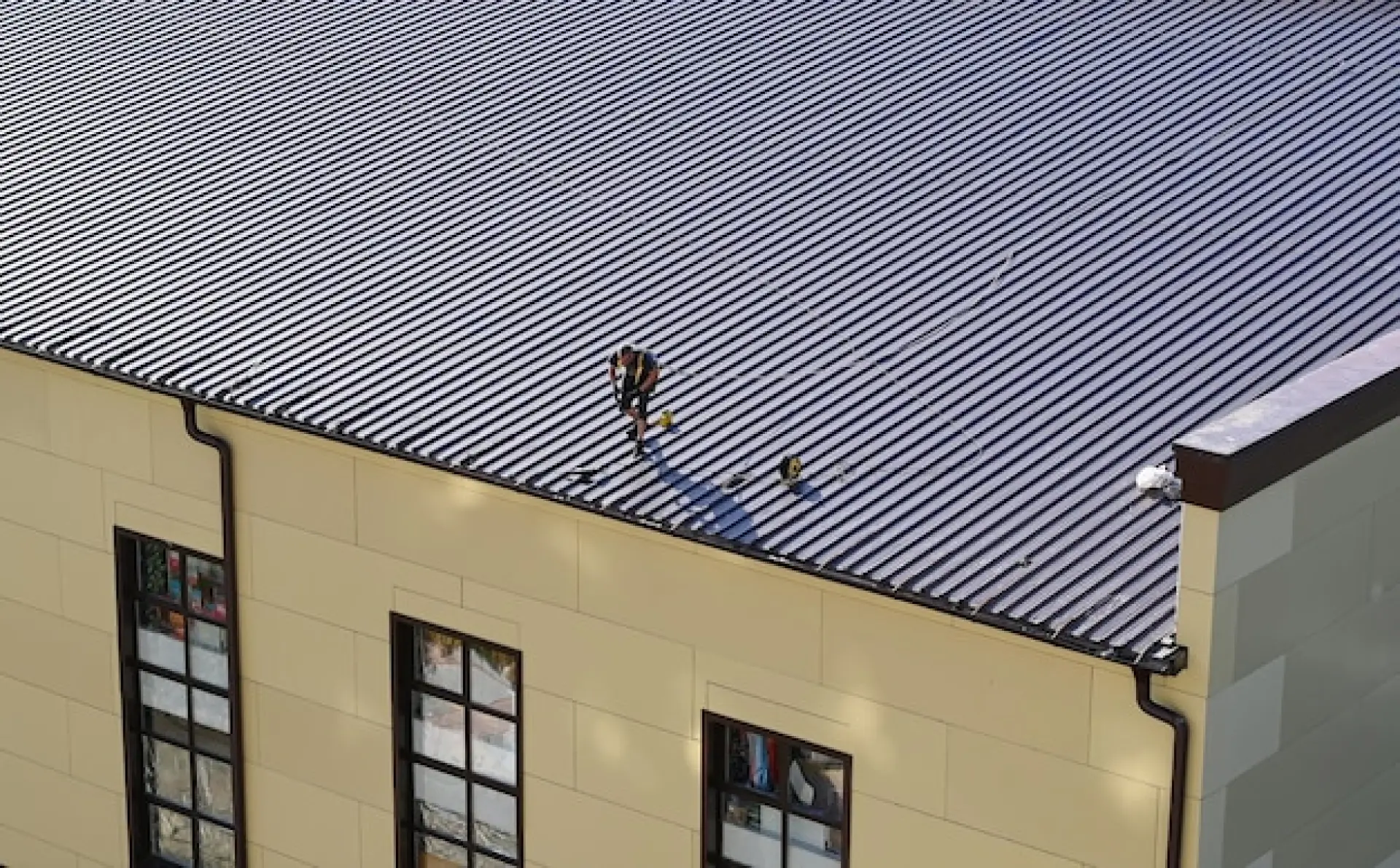
Installation quality can affect lifespan as much as the metal itself. Correct flashing around chimneys, vents, and valleys helps prevent leaks that can damage the roof structure below. Good detailing also limits the chance of any trapped moisture, which can cause lots of hidden problems over time.
Your roof’s shape and pitch matter as well. A roof that sheds water quickly is less likely to have standing water or debris build-up. If leaves and dirt stay on the roof for long periods, they can hold moisture against the surface and increase wear in those areas
.It also helps to think about the long view of ownership. Even if a metal roof lasts a very long time, smaller parts like sealants, fixings, or flashing may need attention sooner. Make sure to plan accordingly for any occasional upkeep, as that is part of getting the full lifespan out of the roof.
Maintenance and Repairs
Metal roofs are usually described as low maintenance, but that doesn't mean there is no maintenance at all. A good routine to get into is to inspect the roof from the ground a few times a year, especially after storms. Look for signs like loose trim, damaged flashing, or build-up of branches and leaves.
Keeping gutters and roof valleys clear is one of the most helpful tasks. When water cannot flow away properly, it can back up and find weak points. Clearing debris reduces the chance of water issues and also helps avoid any damp areas where mould and rot could develop in the structure below.
If your roof has scratches or small areas where the coating has worn, it is best to deal with them early. Small exposed patches can become bigger problems later, especially on steel. Touch-up paint or protective treatments can help, but it is important to use products suited to the roof’s finish.
The repairs should always be handled carefully because walking on a metal roof can cause damage if done the wrong way. Panels can be bent, and fixings can be disturbed. If you need work done, it is usually safer to use a professional who knows how to move across the roof and how to replace or reseal parts correctly.
Contact our metal roofing installers for residential, commercial, and industrial buildings in London. Our services include new installations, repairs, and bespoke systems using high-quality aluminium, steel, and composite materials.