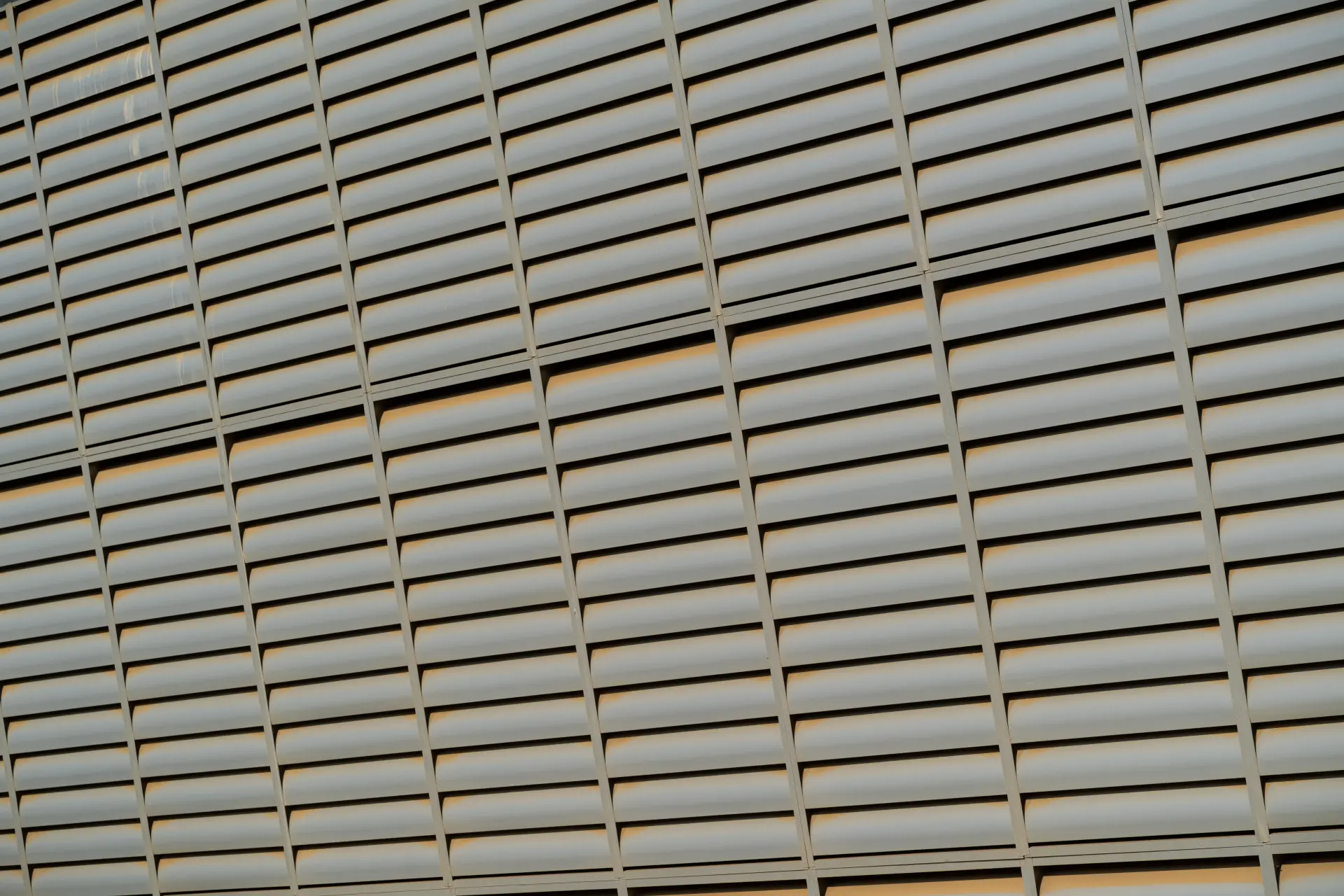
Discover the benefits of metal cladding for commercial buildings. Enhance protection, improve insulation, and achieve a sleek, professional appearance with durable systems.
Why Commercial Buildings Use Metal Cladding
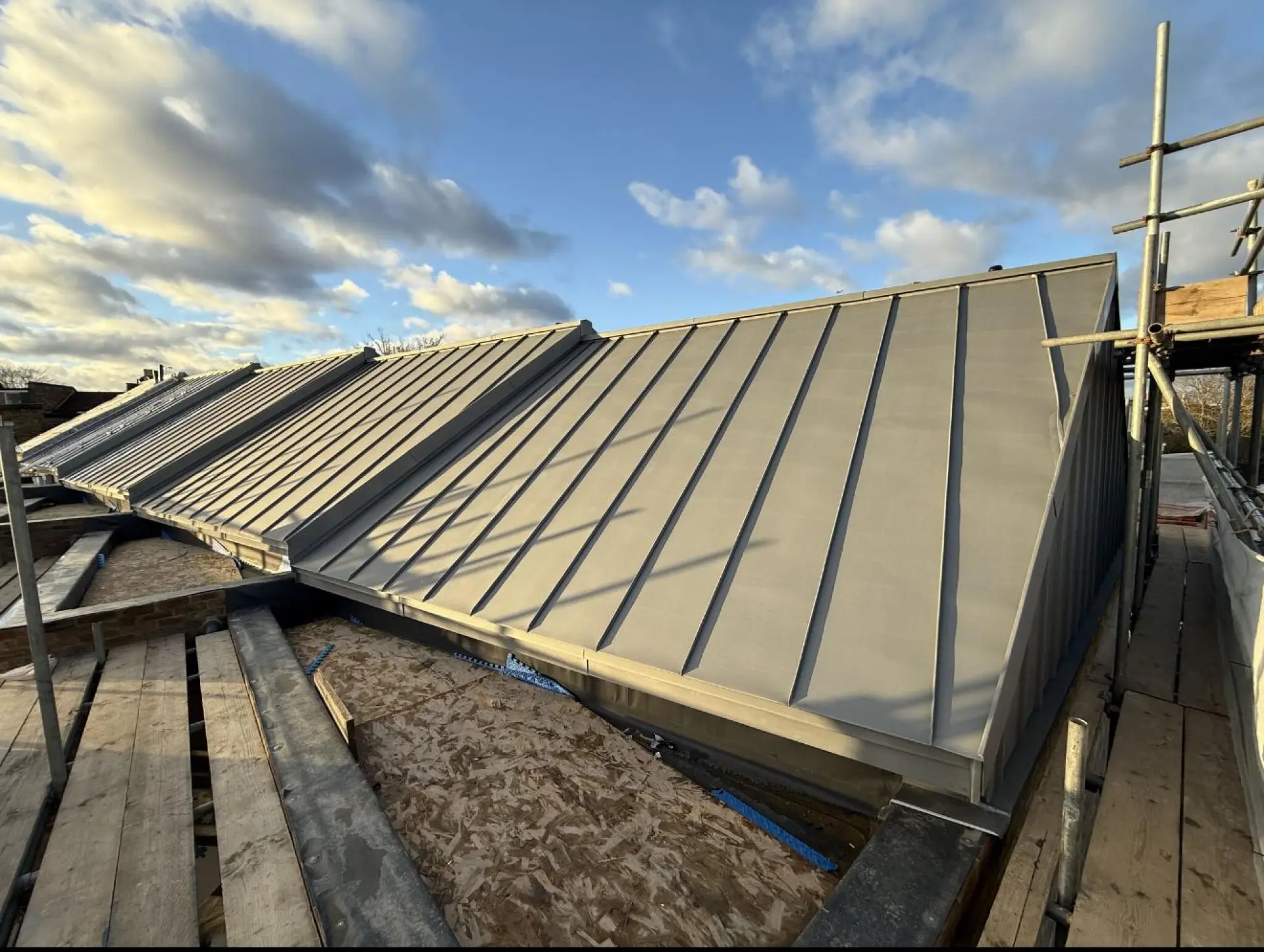
Metal cladding is used on many commercial buildings because it adds a strong outer layer that helps protect the structure and improve how the building performs. It can cover old, worn surfaces and give them a fresh finish without needing a full rebuild. This makes it a popular choice for refurbishments as well as new builds. Cladding can also help improve comfort inside by supporting better temperature control and reducing drafts.
Another reason businesses choose metal cladding is consistency. Panels are made to set sizes, so the finished look is neat and even across large walls. This suits buildings like warehouses and offices where a clean appearance matters. Metal cladding can also be planned around doors, loading bays, windows, and signs, so the whole site looks more organised.
For many owners, the goal is simple: protect the building, reduce future repair work, and present a professional look. When the right system is chosen and fitted well, metal cladding supports all three, which is why it is used so often on commercial sites.
Strong Protection Against Weather
Commercial buildings are exposed to harsh weather, especially on open industrial sites. Metal cladding works as a shield that helps keep rain, wind, and frost away from the main structure. It forms a tough outer skin that can reduce the risk of water getting into wall layers, which can lead to damp and damage over time. With good detailing, it also helps manage water run-off and keeps vulnerable edges and joints better protected.
Sunlight can also cause problems for many building materials. Metal cladding is made to cope with strong sun and changing temperatures. Many systems use protective finishes that help reduce fading and slow down wear. This is helpful for buildings that need to look smart for years, such as retail units, offices, and public buildings.
Wind is another concern, especially on tall or wide walls. Metal panels can be fixed securely to suit the building and site conditions. When installed correctly, the cladding helps the building stay weather-tight, which supports comfort inside and can reduce unplanned repair call-outs.
Long-Lasting and Low Maintenance
One of the biggest benefits of metal cladding is how long it can last with simple care. Unlike some materials, metal does not rot, and it is less likely to crack or warp with changing weather. Many panels are made with protective coatings that help resist rust and surface wear. This can be especially useful on commercial sites where buildings face dirt, traffic fumes, and regular exposure to rain.
Maintenance is usually straightforward. Regular checks can focus on fixings, seals, joints, and any areas where panels meet doors or roof edges. Cleaning often only needs water and mild products, depending on the finish and the setting. Keeping gutters and drainage clear also helps the cladding perform well, because water can then run away as intended.
If damage happens, such as a dent from an impact, it may be possible to replace a single panel rather than a whole section. This can keep repair costs under control and reduce downtime. Over the life of the building, lower upkeep can make metal cladding a practical, cost-aware choice.
Better Fire Safety Options
Fire safety is a key concern for commercial buildings, especially where there are staff, visitors, stored goods, or machinery. Metal cladding can support safer design choices because many metal outer sheets are non-combustible. However, overall fire safety depends on the full wall build-up, including the insulation, backing materials, fixings, and how joints are detailed.
There are cladding systems designed to meet stricter fire performance needs, including options that use non-combustible insulation. These choices can help reduce the spread of fire across the outside of a building and support safer evacuation and emergency response. The right solution will depend on the building type, height, use, and local requirements.
It is important not to treat cladding as a one-size-fits-all product. Good fire safety planning also includes correct installation, clear records of what materials were used, and regular checks over time. If a building is being refurbished, a proper assessment helps make sure the new cladding system is suitable for the site. Done correctly, metal cladding can be part of a safer, well planned building exterior.
Improved Insulation and Energy Savings
Metal cladding can help improve insulation when it is part of a well designed wall system. Many commercial buildings lose heat through large wall areas, gaps, and older materials. Adding cladding with suitable insulation can reduce heat loss in colder months and help keep indoor spaces steadier. This can make working areas more comfortable for staff and can reduce the strain on heating systems.
In warmer weather, better wall build-ups can also help slow down heat entering the building, especially on sun-facing sides. This can support more stable temperatures and may reduce the need for cooling in some settings. While results vary by building, improved insulation often supports lower energy use over time.
Another benefit is that cladding systems can help reduce drafts and manage moisture when installed correctly. This supports a healthier indoor environment and helps protect internal finishes and stored items. To get the best results, it is important to choose the right insulation type and thickness for the building and to avoid gaps in the system. A careful design and good fitting are what turn insulation into real savings.
Modern Look and Brand Appeal
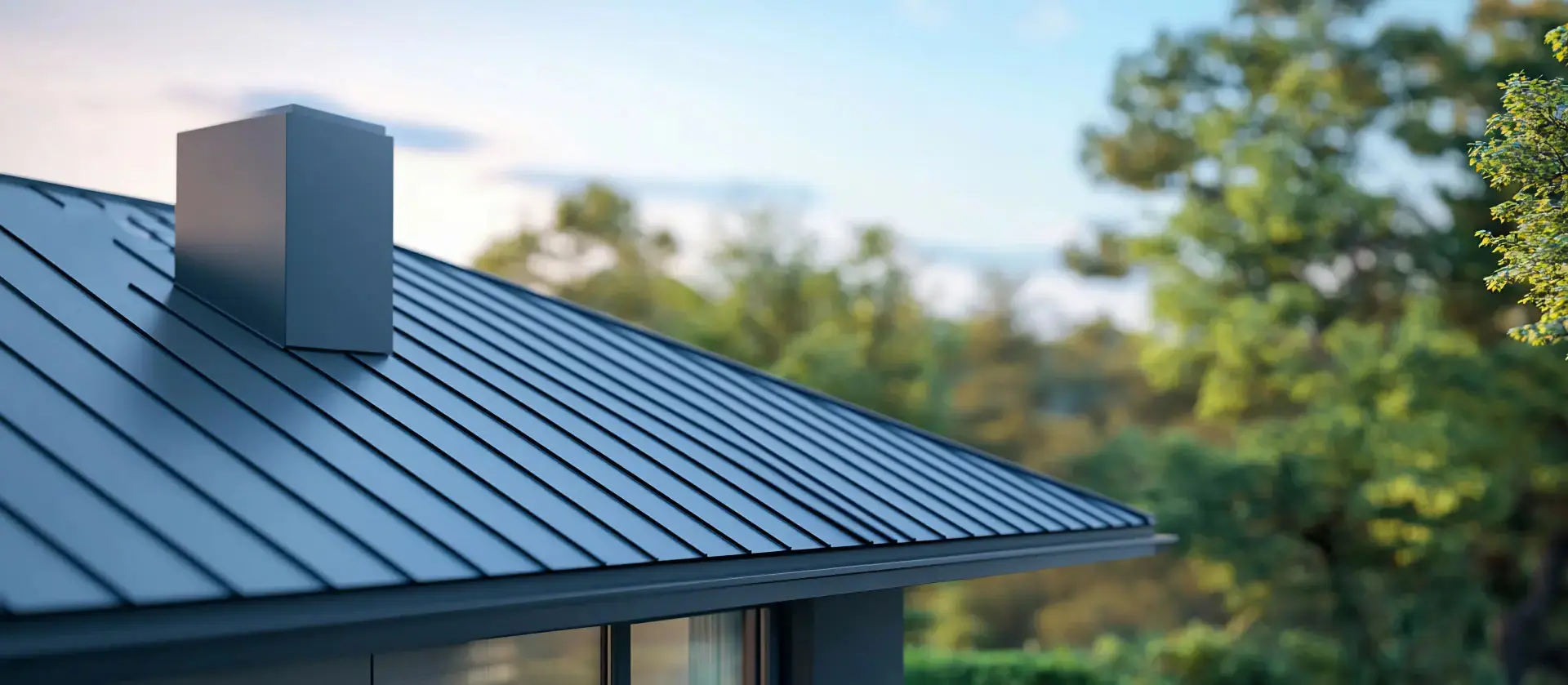
Metal cladding can give a commercial building a clean, modern look that helps it feel well cared for. First impressions matter, and the outside of a building often shapes how customers, suppliers, and visitors feel before they even step inside. A refreshed exterior can make a site look more professional and can help a business stand out on an industrial estate or a busy street.
Cladding is available in many colours and finishes, including smooth, textured, and ribbed styles. This makes it easier to choose a look that suits the building type and the image a business wants to show. The design can also work around signs, entrances, and feature areas, helping create a more organised and welcoming front.
Older buildings can especially benefit from this upgrade. Metal cladding can cover uneven surfaces and hide repairs, giving the building a more even appearance. It can also support future changes, since panels can be added or replaced if the building layout changes. For many commercial owners, this mix of style and flexibility is a key reason to choose metal cladding, not just for looks, but for long-term site presentation.
Fast Installation and Less Disruption
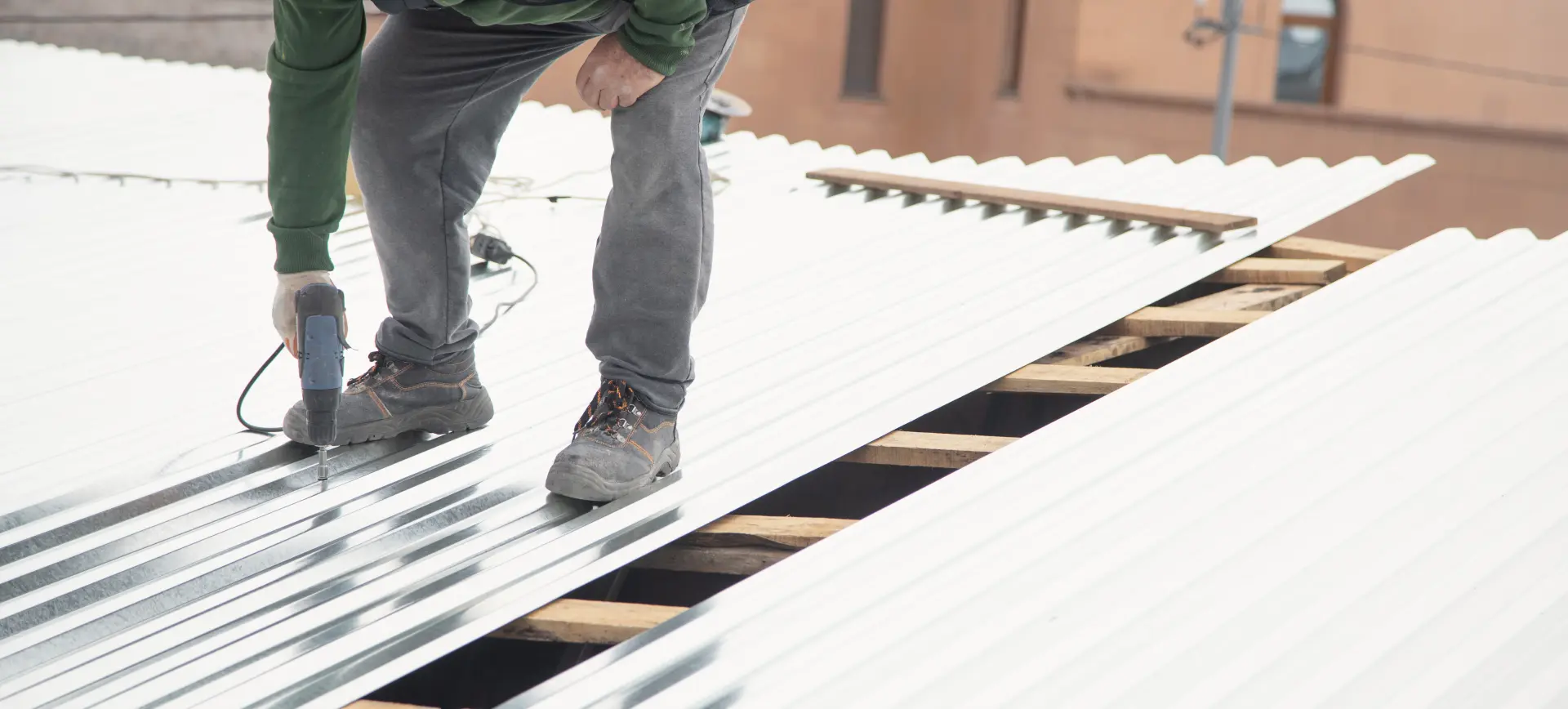
Speed matters on commercial sites because long projects can affect daily work, deliveries, and customer access. Metal cladding is often quicker to install than many other exterior finishes because it uses large panels and planned fixing systems. With the right preparation, installers can cover wide areas in a short time, which helps reduce the time scaffolding or access equipment is needed.
Less time on site can also mean less disruption. Noise, dust, and restricted access can be kept lower, which is helpful for buildings that need to stay open during the work. Many cladding projects can be phased, so one part of the building is completed while other areas continue to operate. This can be important for warehouses, shops, and offices where shutting down is costly.
Good planning still matters. Deliveries need space, work zones must be kept safe, and weather can affect progress. Even so, metal cladding is often chosen because it offers a clear and efficient route from old surface to finished exterior. When installed by an experienced team, the process can be organised, predictable, and kinder to the daily running of the site.
Suitable for Many Building Types
Metal cladding suits a wide range of commercial buildings because it can be adapted to different shapes, sizes, and uses. It is common on warehouses and factories, where large wall areas need strong protection and a neat finish. It is also used on offices, retail units, and public buildings where appearance matters as much as performance. For agricultural and storage buildings, cladding can offer practical weather protection and a surface that is easier to keep clean.
It works for both new builds and refurbishments. On older properties, cladding can cover tired brickwork or damaged panels and help improve weather resistance. It can also be used to change the look of a building without changing the structure underneath. For sites with mixed buildings, matching cladding colours and profiles can help the whole area feel more consistent and well managed.
Another benefit is how cladding can work with extra features, such as insulation upgrades, new doors, windows, or signage. It can also be designed to suit different wall heights and roof lines. Because of this flexibility, metal cladding is often seen as a practical upgrade for many commercial settings, from simple storage units to larger sites with multiple functions.
Cost Benefits Over Time
Metal cladding can offer strong value over the life of a commercial building, even if the upfront cost can feel higher than some basic finishes. The key benefit is that it can reduce ongoing spending. A durable outer layer helps protect the main structure from weather damage, which may lower repair needs over time. Many systems also need less routine upkeep, which can reduce maintenance budgets and site disruption.
Energy costs can also be part of the long-term value. When cladding is combined with suitable insulation and installed well, it can reduce heat loss and support steadier indoor temperatures. This may help reduce heating use in colder months, and that can add up over years. The level of savings depends on the building and how it is used, but improved insulation is often a big reason for refurbishment projects.
There is also value in appearance. A building that looks modern and cared for can support business confidence and may help attract tenants or buyers if the site is leased or sold. When you add together longer life, lower upkeep, and possible energy savings, metal cladding can offer a strong cost case over time, especially for larger buildings with big wall areas.
Common Metal Cladding Types for Commercial Use
There are several metal cladding options used on commercial buildings, and each has its own strengths. Steel cladding is widely used because it is strong and suits large buildings well. It often comes with protective coatings to help resist corrosion and surface wear. Aluminium cladding is lighter and naturally resists corrosion, which can make it a good choice for coastal areas or sites with higher moisture.
Zinc cladding is known for long life and a distinctive look that can change slightly as it weathers. It is often used where appearance is important, such as offices or feature areas on a building. Copper cladding is also chosen for its premium look and the way it develops a natural finish over time, though it is usually a higher-cost option.
Many commercial sites also use insulated composite panels. These combine an outer metal skin with insulation inside, helping speed up installation and support better temperature control. The best choice depends on the building’s use, the local setting, the desired look, and the performance needs. A good supplier or installer should be able to explain the options clearly and help match the system to the site.
Contact our metal cladding installers for residential, commercial, and industrial buildings in London. Our services include new installations, over-cladding, repairs, and bespoke systems using high-quality aluminium, steel, and composite materials.